
retina · Preventing Diabetic Retinopathy
Diabetic Eye Care
People living with diabetes benefit from regular retinal screening. We examine the back of the eye and offer fundus fluorescein angiography, anti-VEGF intravitreal injections, and preventative argon laser photocoagulation when clinically indicated.
Who is it for?
Patients with Type 1 or Type 2 diabetes requiring routine annual retinal screening or active retinopathy management.
Common symptoms discussed
- Often no early visual symptoms
- Sudden floaters, blurred central vision, or fluctuating clarity
Diagnosis & tests used
- Dilated fundus examination
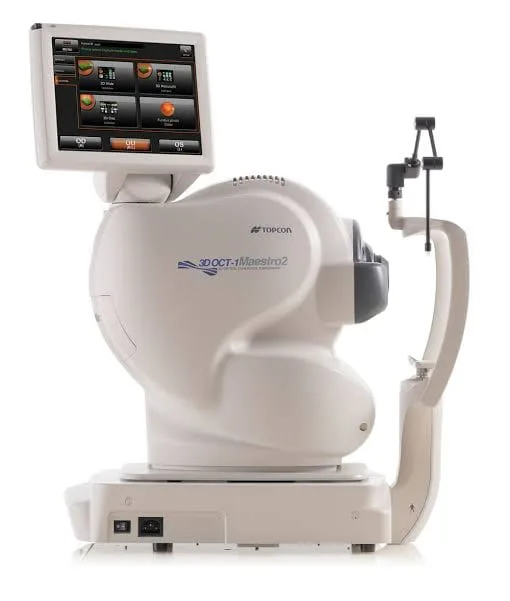
- OCT macular scan
- Fundus fluorescein angiography (FFA)
Treatment & care options
- Regular retinal monitoring
- Anti-VEGF intravitreal injections for macular edema
- Argon laser photocoagulation
What to expect on the day
- Dilated retinal check (bring someone along if driving)
- Coordinated guidance alongside your systemic diabetes care
Common Questions
How often should a diabetic patient have an eye check?
Regular screening is advised even when vision feels normal; your ophthalmologist will recommend the interval based on retinal findings.
Related Specialities
Cataract evaluation and treatment options, including micro-incision approaches and lens choices discussed after clinical assessment.
Refractive options for suitable candidates after a full corneal and eye assessment.
Early detection with OCT ganglion analysis, visual field testing, selective laser trabeculoplasty (SLT), and valve implants.